
BUYING - TIPS
7 ESSENTIAL HOME BUYER TIPS
Buying a home is an exciting journey, but it’s also a significant financial investment. To help you navigate the process with confidence, we’ve put together seven essential tips that will guide you from start to finish. These steps will ensure you make informed decisions, avoid costly mistakes, and ultimately find the perfect home for your needs.
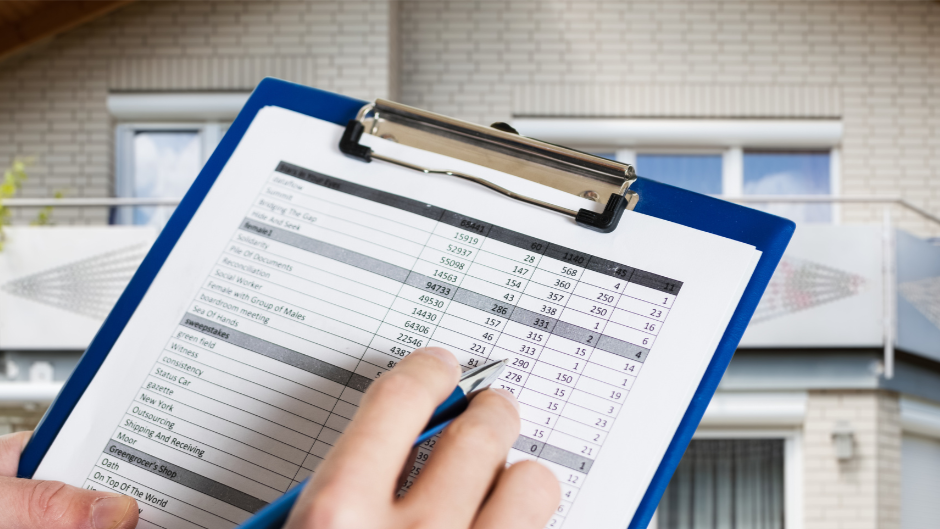
1. Get a Home Inspection to Ensure
Safety and Condition
Before finalizing your home purchase, a professional home inspection is crucial. This process helps uncover any hidden issues such as structural concerns, plumbing problems, or electrical hazards that could cost you down the road. A thorough inspection ensures your investment is a sound one and gives you leverage to negotiate repairs or pricing adjustments if needed.
2. Get Pre-Approved Before You Start
House Hunting
Knowing your budget upfront saves time and strengthens your position as a buyer. Getting pre-approved for a mortgage helps you understand what you can afford and shows sellers you are a serious buyer. A pre-approval letter can give you an edge in competitive markets, making your offer more appealing.


3. Communicate with the Seller Only Through Your Real Estate Agent
Your real estate agent is your advocate and negotiator. Direct communication with the seller could put you at a disadvantage, as you may unintentionally reveal details that could weaken your negotiation position. Your agent knows how to handle discussions, ensuring your interests are protected while maintaining professionalism throughout the transaction.
4. Get Every Agreement in Writing
Verbal agreements hold no legal weight in real estate. To protect yourself, ensure that every aspect of the deal including repairs, included appliances, and closing costs is documented in writing. This guarantees both parties are on the same page and reduces the risk of misunderstandings later on.

5. Include Essential Contingencies
in Your Offer
Contingencies are safeguards that protect you as a buyer. Common contingencies include financing (ensuring you secure a mortgage before finalizing the deal) and inspections (allowing you to back out if major issues arise). Including these contingencies ensures you don’t face unexpected surprises after committing to the purchase.
6. Create a Realistic Wishlist That Aligns with Your Budget
While it’s great to dream big, it’s important to be practical. Make a wishlist based on what you truly need and can afford, considering factors like location, home size, and must-have amenities. Prioritizing your needs versus wants will help you focus your search and make confident decisions.

7. Work with a Real Estate Agent Who Puts Your Interests First

Choosing the right real estate agent makes all the difference in your home-buying experience. A knowledgeable and experienced agent will guide you through the process, provide expert advice, negotiate the best deal, and ensure a smooth closing. Look for someone who understands your goals, communicates clearly, and has your best interests at heart.
We love working with buyers! Whether you are a first-time home buyer who is looking for guidance through a sometimes complicated and confusing process, or someone who's bought and sold real estate many times in the past. We will take the time to listen to you, understand your needs and help you achieve your goals. We leverage the latest industry technologies to enable up-to-the-minute tracking of market listings enabling our clients access to newly listed homes as soon as they hit the market.

What can a Realtor® do to help you buy the right property?
- They will help you determine how much you can invest in a property, without jeopardizing your financial stability.
- They will help you develop a realistic idea of what is the best option for you, including: size, style, features, location, accessibility to schools, transportation, shopping and other personal preferences.
- They have access to a list of all available properties in the multi – list system and can evaluate your needs and affordability. Will not waste your time showing inadequate housing.
- They can supply information on Real Estate value, taxes, utility costs, municipal services and facilities. They might also be aware of proposed zoning changes that could affect your decision to purchase.
- They help negotiate the best price and the best terms for you, acting as a liaison between you and the seller, to present offers and counteroffers until an agreement is reached.
- They can help you get familiarized with the closing process and will obtain closing figures for your review before closing.
 Copyright © MFRMLS.com All information deemed reliable but not guaranteed. All properties are subject to prior sale, change or withdrawal. Neither listing broker(s) or information provider(s) shall be responsible for any typographical errors, misinformation, misprints and shall be held totally harmless. Listing(s) information is provided for consumers personal, non-commercial use and may not be used for any purpose other than to identify prospective properties consumers may be interested in purchasing. Information on this site was last updated Last updated on September 11, 2026 6:29 PM UTC The listing information on this page last changed on Last updated on September 11, 2026 6:29 PM UTCd. The data relating to real estate for sale on this website comes in part from the Internet Data Exchange program of MFR MLS.
All information deemed reliable but not guaranteed. All properties are subject to prior sale, change or withdrawal. Neither listing broker(s) or information provider(s) shall be responsible for any typographical errors, misinformation, misprints and shall be held totally harmless. Listing(s) information is provided for consumers personal, non-commercial use and may not be used for any purpose other than to identify prospective properties consumers may be interested in purchasing.
Updated on September 11, 2026 6:29 PM UTC
Copyright © MFRMLS.com All information deemed reliable but not guaranteed. All properties are subject to prior sale, change or withdrawal. Neither listing broker(s) or information provider(s) shall be responsible for any typographical errors, misinformation, misprints and shall be held totally harmless. Listing(s) information is provided for consumers personal, non-commercial use and may not be used for any purpose other than to identify prospective properties consumers may be interested in purchasing. Information on this site was last updated Last updated on September 11, 2026 6:29 PM UTC The listing information on this page last changed on Last updated on September 11, 2026 6:29 PM UTCd. The data relating to real estate for sale on this website comes in part from the Internet Data Exchange program of MFR MLS.
All information deemed reliable but not guaranteed. All properties are subject to prior sale, change or withdrawal. Neither listing broker(s) or information provider(s) shall be responsible for any typographical errors, misinformation, misprints and shall be held totally harmless. Listing(s) information is provided for consumers personal, non-commercial use and may not be used for any purpose other than to identify prospective properties consumers may be interested in purchasing.
Updated on September 11, 2026 6:29 PM UTC
 Copyright Southeast Florida Multiple Listing Service © 2026. Accuracy of listing information is not guaranteed. Listing information is provided for personal consumer, non-commercial use, solely to identify potential properties for potential purchase. All other use is strictly prohibited, is a violation of the terms of use, and may violate federal and state law.
Data Last Updated: September 11, 2026 7:01 PM UTC
Copyright Southeast Florida Multiple Listing Service © 2026. Accuracy of listing information is not guaranteed. Listing information is provided for personal consumer, non-commercial use, solely to identify potential properties for potential purchase. All other use is strictly prohibited, is a violation of the terms of use, and may violate federal and state law.
Data Last Updated: September 11, 2026 7:01 PM UTC
 All information regarding a property for sale, rental or financing, school information and public tax records is from sources deemed reliable; PROVIDED, HOWEVER, that representations and warranties are not made about the accuracy thereof, and such information is subject to errors, omissions, updates, modifications, changes of price, rent rates, commissions, prior sales, leases or financing, changes in school boundaries, or withdrawal without notice. All information displayed on this Website should
